
A student walks into a library and notices something is off. It’s almost as if the light and the color from the books had dissipated. The once joyful presence is now gone. This isn’t the school library they remembered from elementary school. This library is dull with no color and no light. It felt as if the memories of their childhood had been dampened. This experience isn’t unique. Across Texas, librarians and libraries have been mistreated, and schools are suffering because of it.
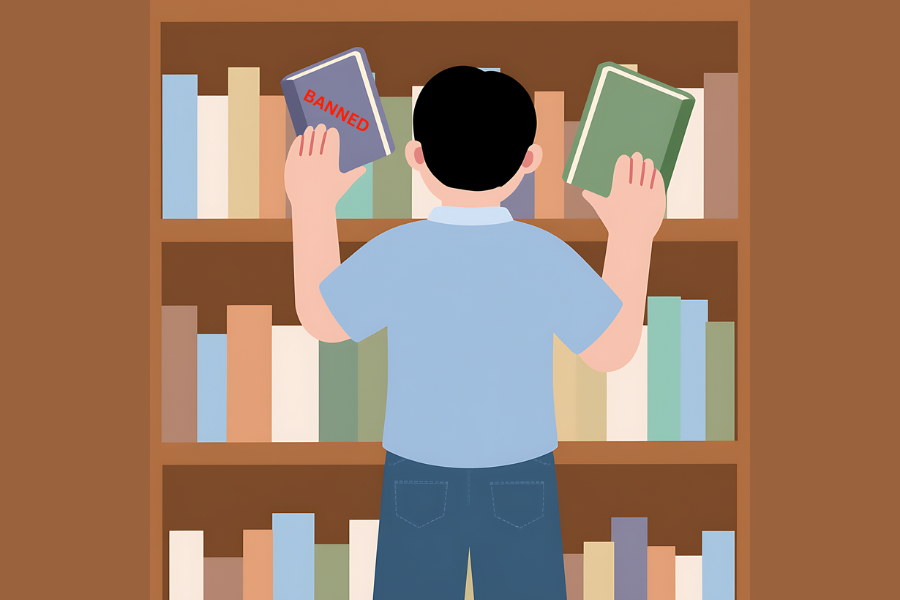
The mistreatment of librarians and libraries in Texas has become incredibly prominent. Across the state, book bans have made it harder for children to gain the education they need. The banning of books such as The Perks of Being a Wallflower by Stephen Chbosky, 1984 by George Orwell, and even The Diary of a Young Girl by Anne Frank in some districts has taken its toll on students’ education and literary awareness. In fact, a few districts have banned books in the Texas Essential Knowledge and Skills (TEKS) — the curriculum that teachers are required to teach based on the grade level.
“I went to [my school’s librarian] as a third-grade teacher, and I said, ‘who is Ellen Ochoa? She’s in the TEKS. Do you have any books on her?’” anonymous Elementary School Teacher said. “[Caraway Elementary School Librarian Melanie] Latendre said, ‘I’m on it,’ and made sure all of the third graders had the books. That is what a librarian does.”
On Sept. 1 this year, S.B. 13 took effect, causing an uproar as campus libraries were severely restricted on book ordering policies. S.B. 13 removed librarians’ control over books in school libraries, relinquishing it to the school board, bringing parents into the equation. This meant that even a small group of parents with no library experience would have more control over the library than the librarians themselves.
“Librarians can order at the beginning of the year, and that is it,” the anonymous teacher said. “They can’t spend their money. They have to spend all of their funds by September 1st, so that means when the latest Dog Man book comes out, librarians can’t buy it for their kids. [When] all the other books are released throughout the year, [librarians] do not have the opportunity to get more.”
In this bill, librarians were not classified as teachers, they were instead classified as faculty. As a result, the pay raise that teachers received earlier that year did not include librarians, deliberately ignoring their needs. One of those needs was the opportunity to have an assistant librarian. Due to the low wages, job openings are not as attractive, meaning librarians must reach out to the community for help.
“I think that [librarians] contribute [to our education] just as much as other teachers,” Michael Solis ‘26 said. “They show students how to love books and love reading. If they don’t have enough money to live off of, then we are going to lose our librarians.”
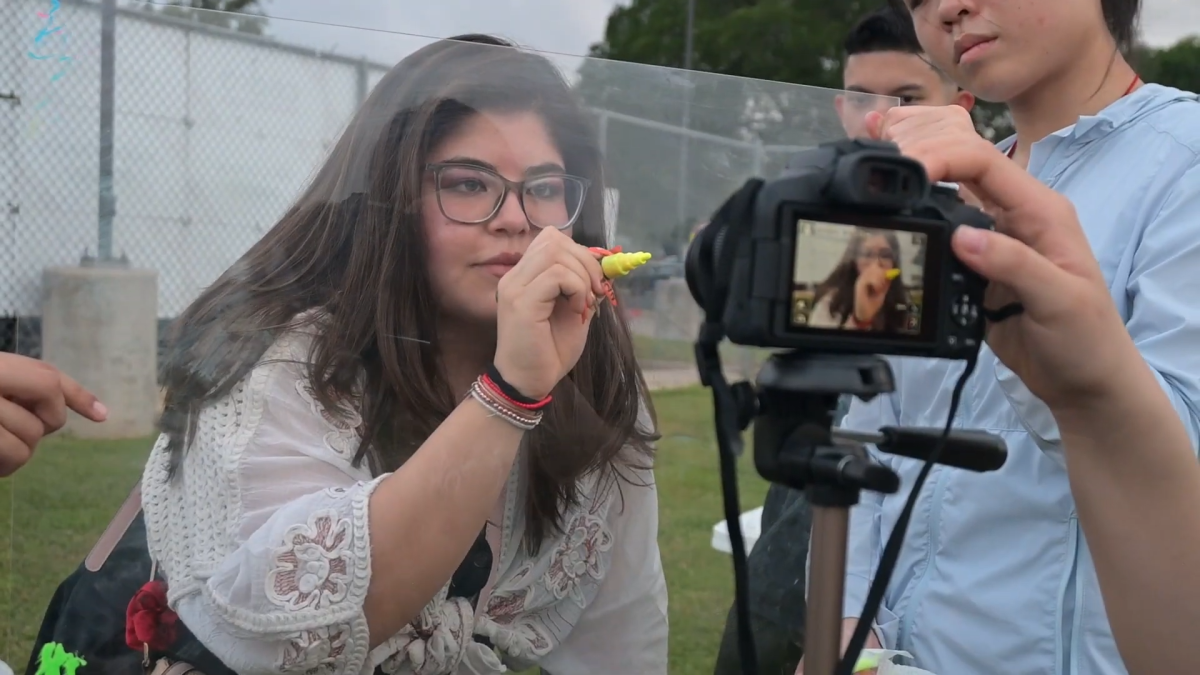
Due to this ongoing issue, students have been reaching out to superintendents, lawmakers, and librarians to advocate for themselves (when it comes to reading) as well as librarians rights. This is a recurring issue that needs to be addressed.
“A regular teacher can’t do [the job of a librarian]. We need someone who is a true master of their craft,” the anonymous teacher said. “The fact that our school district doesn’t even think that librarians are worth paying [substitutes] for is a travesty.”
Libraries are the heart of schools. They ensure that students and teachers alike have the resources they need to make it through the day. However, with persistent issues and a lack of support, the onus falls on students to stand up to their government officials to get them the justice they deserve. Without continuous effort, the issue will not be resolved. We must reach out and stand up for our librarians and libraries.