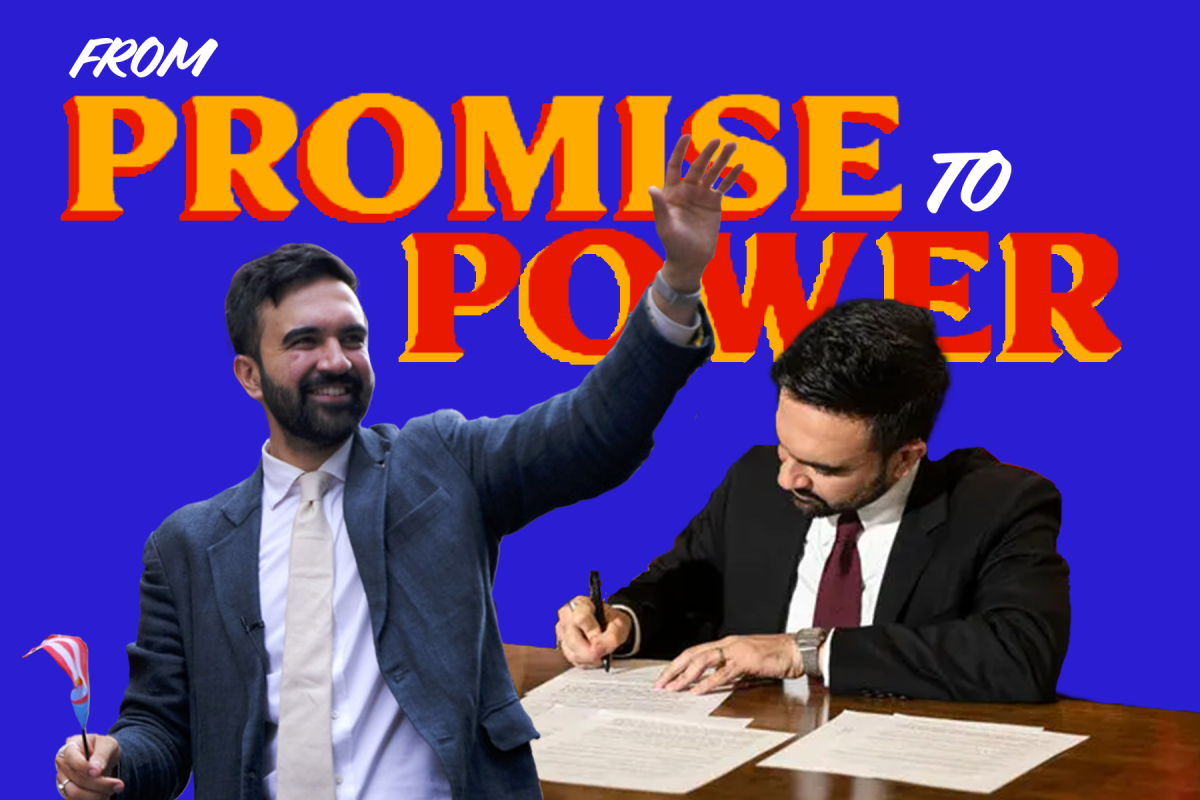
As the clock struck midnight on New Year’s Day, revelers around Times Square cheered in a raucous celebration broadcasted nationwide. But in the small, closed-off City Hall IRT tunnel, Zohran Mamdani was taking the oath of office for New York City’s mayorship in an intimate ceremony attended by only a few friends and family. Less than two hours later, as the celebrations faded into the night’s silence, New York City’s 112th mayor was drafting and signing his first executive orders, setting the tone for the start of his administration.
Mamdani’s historic victory wasn’t something that happened overnight. His grassroots campaign started with polls in the single digits and ended with a mandate from over one million voters in the highest voter turnout of any New York City mayoral election since 1993.
Many political commentators chalk Mamdani’s victory up to his robust social media presence, allowing him to mobilize younger generations. But this only constitutes part of the formula; there is more to crafting a winning campaign than charm and an understanding of social media trends. Mamdani’s success was driven by making specific promises that serve the working class majority, articulating a clear vision of a more affordable city. This defining feature—a set of clear, actionable policies benefiting regular people—allowed for Mamdani’s left-flank upset, and it should characterize the framework of future progressive political campaigns.
Central to Mamdani’s campaign was a pledge to meet New Yorkers’ needs with an “agenda of safety, affordability, and abundance.” He aimed to tackle New York City’s astronomical cost of living to improve New Yorkers’ lives, most famously promising to freeze rent for rent-stabilized apartments. In the eyes of critics, these promises were lofty and unsustainable in the long run, making up the majority of his opposing candidates’ campaigns. However, on his first day in office, Mamdani turned his words into actions. On a visit to a Brooklyn apartment, he swore to the tenants union that he would escalate the legal battle with their negligent landlord, even inspecting the wear and tear in mismanaged housing. Though not a rent freeze, his on-the-ground actions demonstrate a commitment to following through on the small details of his plan to improve affordability.
Only about a week later, Mamdani, alongside New York Governor Kathy Hochul, announced a long-term plan to provide free Pre-K services for children under five, a program that would affect over 100,000 kids. This declaration was the first step towards fulfilling another of Mamdani’s major campaign promises, universal childcare. Again, Mamdani took action to enact policy proposals that, if successful, would actualize benefits for most of his constituents, in this case saving New York families billions of dollars a year.
Where Mamdani found success was in tailoring an authentic message to his constituents. Unlike other progressive campaigners that had failed before him, Mamdani and his team prioritized transparency in their operations, which manifested in both their policy and fundraising approaches. He emphasized campaigning on foot in New York City boroughs, meeting constituents where they are both physically and culturally, carrying conversations in several different languages. This genuine interpersonal connection is further demonstrated through his fundraising results; the majority of his campaign funding came from small, individual supporters instead of large donors or political action committees.
Mamdani’s savvy social media strategy did play an important role by expanding his support to a national, and then global, level. His outreach added to his fundraising efforts, first during the campaign and then during the transition period between his election and inauguration. Yet online attention and campaign contributions aren’t a guarantee of electoral victory; many other well-funded, viral Democratic campaigns have ended in defeat at the ballot box. What made his campaign uniquely successful was the message and policy amplified through these media channels, not just clever use of the medium itself. Though Mamdani’s media shrewdness is undeniable, charisma alone cannot win elections. It was only through consistent and genuine attempts to engage with constituents that he gained a fanbase.
With Mamdani’s fame, however, came significant backlash. Opponents critiqued his socialist economic policies as unrealistic or harmful, seeing rent freezes as detrimental to the local economy or doubting the city’s capacity to fund his ambitious universal childcare programs. Only time can clear such clouds of doubt, but there is no denying that the perceived large-scale working-class benefits of Mamdani’s proposals are central to his policy agenda. Even if some of Mamdani’s policies do not bear fruit, his dedication to articulate policy proposals symbolizes a principled approach to civic leadership that more politicians should embrace.
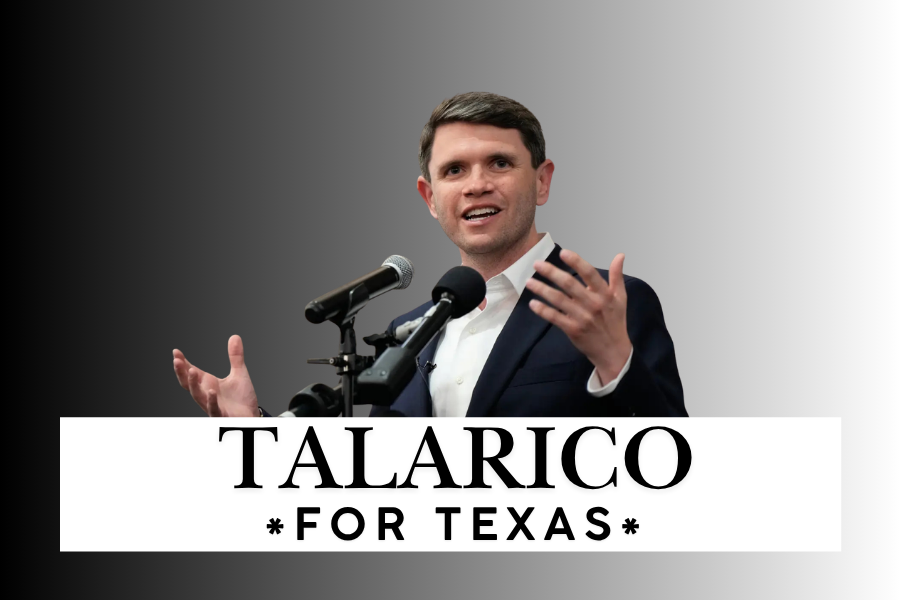
Mamdani’s campaign has exemplified a shift in focus from shallow campaign promises to substantive working-class policies that should be adopted by Texas’ progressive politicians and campaigners. Recent congressional redistricting, which has displaced decades-long political incumbents like Representative Lloyd Doggett, has emptied the playing field for younger grassroots politicians seeking higher office. For instance, as State Representative James Talarico butts heads in the upcoming Democratic Senatorial primary with Representative Jasmine Crockett, he can look to Mamdani’s campaign promise-to-policy technique to actualize success.
With both the national and Texas state political landscape more open than ever for fresh perspectives, grassroots candidates should adopt the correct lessons from Mamdani’s victory to give themselves the best chance to win higher office come November. Without mistaking the medium for the message, candidates should campaign on narrow, actionable policies that would benefit regular people while amplifying their messages through savvy social media use.